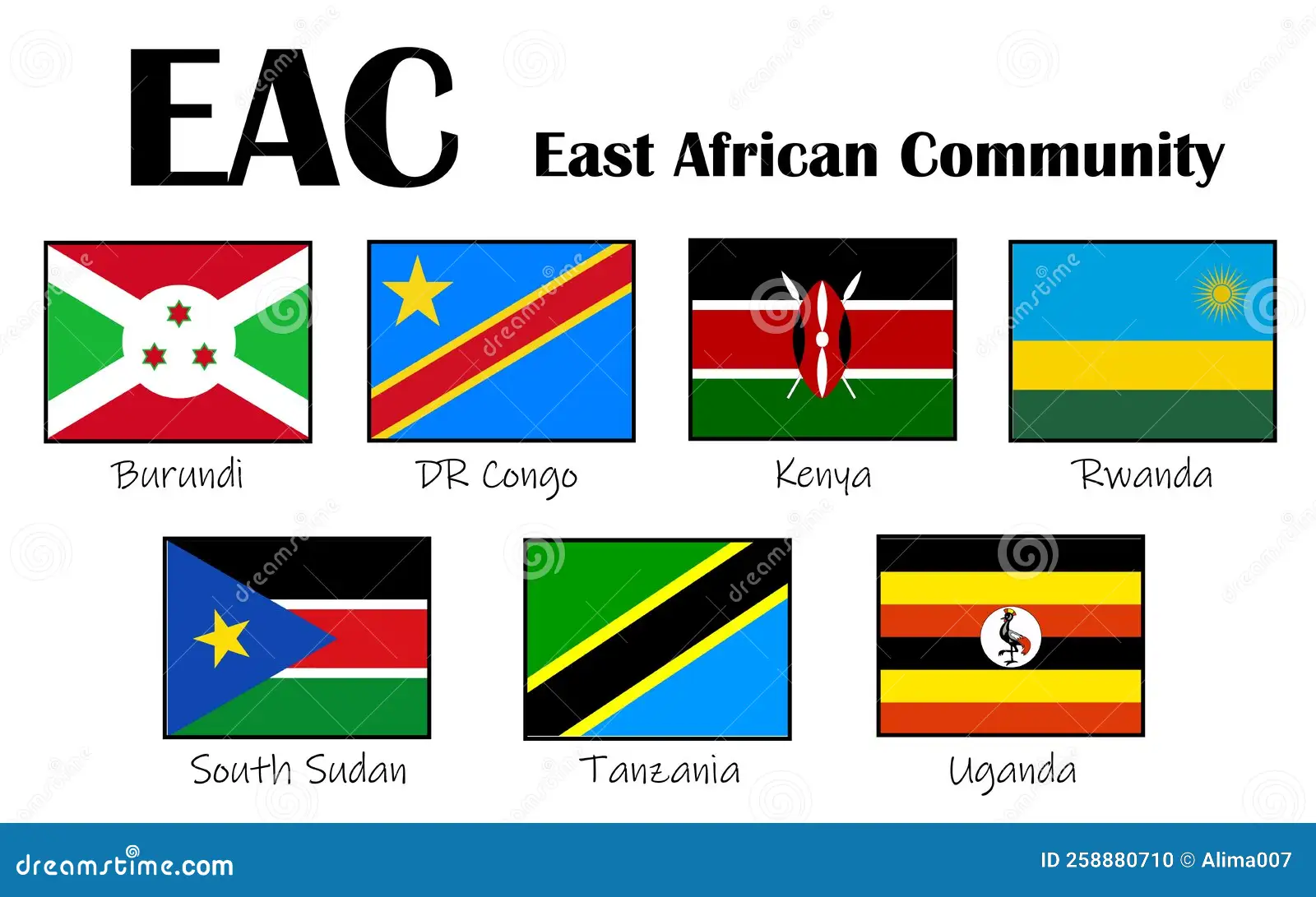
Best CRM Software for East African Businesses should do more than store customer contacts. The right CRM should help businesses manage leads, sales, customer relationships, invoices, payments, follow-ups, and reporting while fitting the realities of operating across markets such as Kenya, Uganda, Tanzania, Rwanda, and the wider East African region.
East African businesses are increasingly moving away from spreadsheets, notebooks, disconnected messaging apps, and manual customer records. Modern CRM systems provide a centralized platform where businesses can organize customer information and build more consistent sales processes.
What Is CRM Software?
CRM stands for Customer Relationship Management. CRM software helps businesses manage relationships and interactions with current and potential customers.
Instead of keeping customer information in different spreadsheets, phones, email accounts, notebooks, and messaging applications, a CRM creates a central database.
A CRM can help businesses:
- Store customer information
- Capture and manage leads
- Track sales opportunities
- Manage sales pipelines
- Schedule follow-ups
- Create and send invoices
- Track payments
- Manage customer communication
- Generate sales reports
- Monitor business performance
For growing businesses, this creates greater visibility and reduces the risk of losing leads or important customer information.
Why East African Businesses Need CRM Software
Businesses across East Africa operate in diverse markets, but many face similar challenges: fragmented customer records, manual invoicing, missed follow-ups, payment reconciliation, and limited visibility into sales performance.
A CRM can help address these problems.
1. Centralized Customer Information
Customer information can be stored in one place rather than being spread across multiple applications.
Sales teams can quickly access contact information, previous interactions, sales opportunities, and customer history.
2. Better Lead Management
A CRM helps businesses capture leads and organize them according to their position in the sales process.
This makes it easier to identify which prospects are new, which require follow-up, and which are close to becoming customers.
3. More Consistent Follow-Ups
Missed follow-ups can result in lost sales.
CRM reminders, tasks, and automated workflows can help sales teams maintain consistent communication with prospects and customers.
4. Improved Sales Visibility
Managers can see how many opportunities are in the pipeline and which sales activities are producing results.
5. Better Payment Tracking
For businesses that invoice customers, connecting customer information, invoices, and payments can reduce manual reconciliation.
What Makes a CRM Suitable for East Africa?
Not every CRM is equally suitable for businesses operating in East African markets.
When comparing platforms, consider the following:
Local Payment Support
Mobile money is a major part of business transactions in many East African markets. A CRM that integrates with relevant payment systems can simplify collections and reconciliation.
For example, Kenya-focused platforms increasingly integrate M-Pesa into business workflows. Elona CRM promotes M-Pesa payment collection and reconciliation as part of its platform.
Local Currency Support
Businesses should be able to invoice and report in the currencies they actually use, including KES, UGX, TZS, and RWF where applicable.
Tax and Compliance Requirements
Tax requirements differ between countries. Businesses operating across multiple markets should verify that their CRM or connected invoicing system supports the relevant local tax requirements.
Mobile Accessibility
Many East African businesses operate through smartphones and tablets rather than desktop computers alone. A mobile-friendly CRM is therefore an important consideration.
Affordable Pricing
Small and medium-sized businesses need CRM software that provides useful features without requiring a large technology budget.
Multi-Branch and Multi-Country Support
Businesses expanding across East Africa may need multiple locations, teams, currencies, and reporting structures.
Best CRM Software Options for East African Businesses
The best CRM depends on your business size, industry, budget, and requirements. Here are several platforms worth considering.
1. Elona CRM
Elona CRM is designed specifically around the needs of Kenyan entrepreneurs and SMEs.
The platform provides customer management, lead tracking, invoicing, expense management, reporting, and M-Pesa payment functionality. It also promotes KRA eTIMS support and pricing in Kenyan Shillings.
For businesses based in Kenya or primarily serving the Kenyan market, Elona CRM can be particularly relevant because its workflows are designed around local business practices.
Businesses planning to expand into other East African countries should confirm the availability of the specific payment, tax, currency, and compliance integrations required in each market.
2. HubSpot CRM
HubSpot is a widely used CRM platform offering customer management, sales, marketing, customer service, and automation tools.
It can be a good option for startups and businesses looking for a broad CRM ecosystem, particularly those that want to begin with a free CRM offering.
Its large integration ecosystem also makes it useful for businesses that use several digital tools.
3. Zoho CRM
Zoho CRM provides customer management, sales automation, reporting, workflow automation, and integrations.
It is often considered by SMEs looking for a balance between features and cost. Recent African CRM guides also identify Zoho as an option with a strong price-to-feature balance and integrations relevant to African businesses.
4. Pipedrive
Pipedrive focuses strongly on sales pipeline management.
Its visual pipeline approach can be useful for businesses whose primary objective is tracking leads and moving prospects through different sales stages.
It may be particularly suitable for sales-focused agencies, consultancies, real estate companies, and B2B businesses.
5. Salesforce
Salesforce is an enterprise-level CRM with extensive customization, automation, reporting, and integration capabilities.
It can be appropriate for larger East African companies with complex sales operations and dedicated technology teams.
However, smaller businesses may find its implementation and ongoing management more complex than necessary.
6. Freshsales
Freshsales focuses on sales teams, customer information, leads, deals, communication, and automation.
It can be considered by growing businesses that want a sales-focused CRM without adopting a highly complex enterprise platform.
7. Regional and Local Business Platforms
East Africa also has a growing ecosystem of locally developed business-management platforms.
For example, MylesCRM positions itself as a CRM and business-management platform for East African businesses, with features covering leads, sales pipelines, customers, invoicing, reporting, M-Pesa integration, and mobile use.
This illustrates an important trend: businesses no longer have to choose only between large international CRM platforms and spreadsheets. Regional solutions are increasingly being designed around African business workflows.
CRM Features East African Businesses Should Prioritize
When comparing CRM platforms, focus on functionality that directly supports your operations.
Customer Database
You should be able to create detailed customer profiles and quickly search and update information.
Lead Management
The system should allow you to capture leads from different channels and track their progress.
Sales Pipeline
A visual pipeline makes it easier to see which opportunities are new, active, won, or lost.
Invoicing
If your business bills customers, integrated invoicing can eliminate unnecessary manual work.
Payment Tracking
The ability to connect payments to customers and invoices can make financial administration easier.
WhatsApp and Communication
Many businesses across East Africa communicate with customers through WhatsApp. CRM integrations can help bring these conversations and customer records closer together.
Reports and Analytics
A good CRM should turn customer and sales data into useful business insights.
Automation
Automating repetitive tasks such as reminders, follow-ups, notifications, and customer communication can save valuable time.
CRM Software for Different East African Businesses
Retail Businesses
Retail businesses can use CRM software to manage customer information, repeat customers, sales opportunities, and customer communication.
Real Estate Businesses
Real estate companies can use CRM systems to manage property inquiries, prospects, appointments, negotiations, and follow-ups.
Professional Services
Law firms, accounting firms, consultants, marketing agencies, designers, and other professional-service businesses can use CRM software to manage clients, proposals, projects, invoices, and communication.
Agribusinesses
Agribusinesses can use CRM systems to manage relationships with farmers, suppliers, distributors, buyers, and institutional customers.
Wholesalers and Distributors
Distributors can use CRM software to manage customers, sales representatives, orders, payment information, and follow-ups across different locations.
Financial Services
SACCOs, lenders, insurance businesses, and other financial-service organizations may use CRM systems to manage customer relationships, leads, applications, and communication.
CRM for Businesses Operating Across Multiple East African Countries
A business expanding from Kenya into Uganda, Tanzania, Rwanda, or another East African market may have more complex CRM requirements.
Before selecting a platform, consider:
- Multiple currencies
- Multiple branches
- Country-specific tax requirements
- Local payment methods
- Different sales teams
- Customer data segmentation
- Regional reporting
- User permissions
- Integration capabilities
A CRM should support your expansion rather than force you to create separate systems for every country.
Cloud CRM vs Traditional CRM
Cloud-based CRM software is generally more convenient for businesses with distributed teams because employees can access information through an internet-connected device.
It can also reduce the need for businesses to maintain their own servers and infrastructure.
For businesses with sales representatives working in different towns or countries, cloud access can make customer information available wherever the team is operating.
However, businesses should also evaluate security, backups, user permissions, data ownership, and availability before selecting a provider.
How Much Does CRM Software Cost in East Africa?
CRM pricing varies considerably.
Some platforms provide free plans, while others charge monthly fees based on users, features, contacts, or usage.
When comparing costs, look beyond the subscription price.
Consider:
- Number of users
- Number of customers
- Invoicing limits
- Storage
- Payment integrations
- Automation
- Reporting
- Customization
- Implementation
- Training
- Customer support
- Integration costs
A CRM that appears cheap may become expensive once essential integrations or additional users are added.
How to Choose the Best CRM Software for Your Business
Start by identifying the problems you want the CRM to solve.
Ask yourself:
Are we losing leads?
Choose a system with strong lead management and follow-up tools.
Are customer records scattered across different platforms?
Prioritize centralized customer management.
Are we struggling with invoices and payments?
Look for CRM software with invoicing and payment workflows.
Are we expanding into multiple countries?
Prioritize multi-currency, multi-location, integrations, and country-specific compliance capabilities.
Do employees work remotely or in the field?
Choose a mobile-friendly cloud CRM.
Do we have a limited technology budget?
Compare affordable local and international options before committing to an expensive enterprise platform.
Conclusions
The Best CRM Software for East African Businesses is the platform that fits the way your business actually operates.
International platforms such as HubSpot, Zoho, Salesforce, Pipedrive, and Freshsales provide different levels of sales, automation, marketing, and customer-management functionality. At the same time, regional and local platforms are increasingly focusing on East African requirements such as mobile money, local invoicing, affordability, and mobile-first business operations.
For businesses operating primarily in Kenya, a platform such as Elona CRM can provide a locally focused approach, including customer management, lead tracking, invoicing, M-Pesa payments, expenses, and reporting.
Ultimately, businesses should compare CRM platforms based on features, pricing, integrations, local payment support, compliance requirements, ease of use, scalability, and customer support.
The right CRM can turn customer information into actionable business data, help sales teams follow up consistently, and give business owners greater control as they grow across East Africa. Start your free trial today.